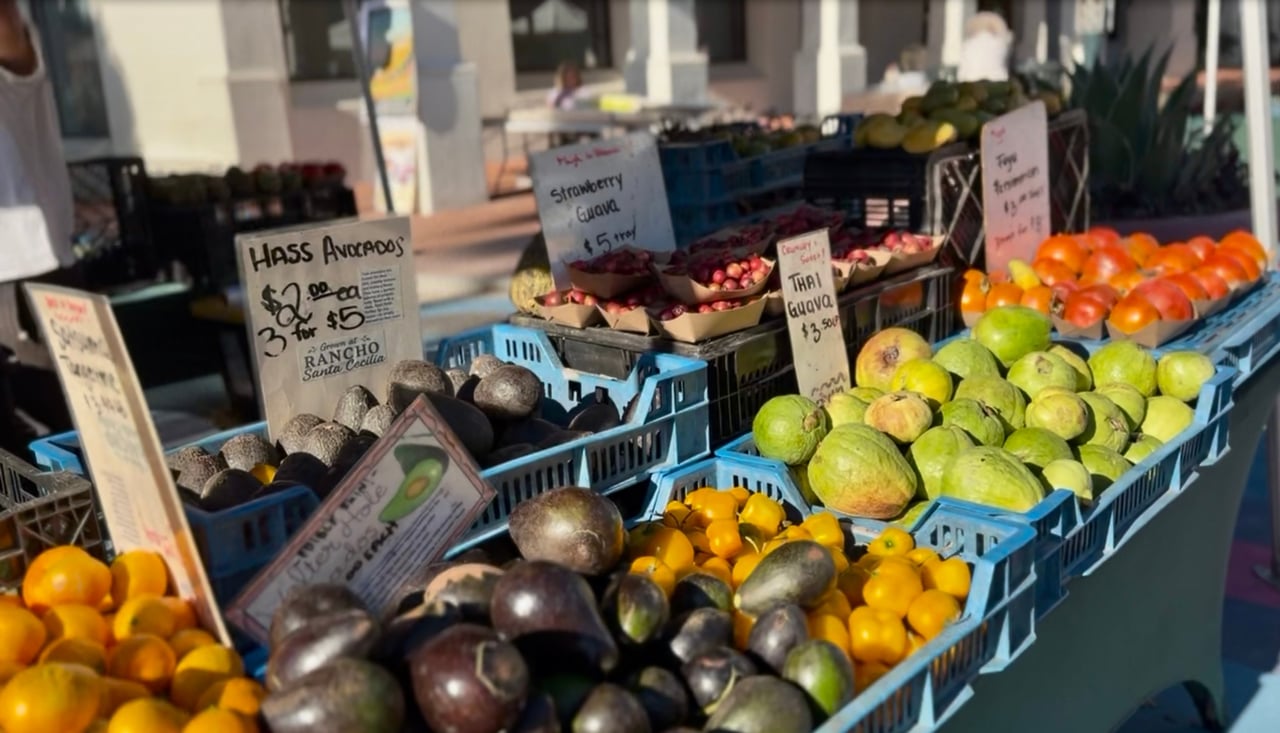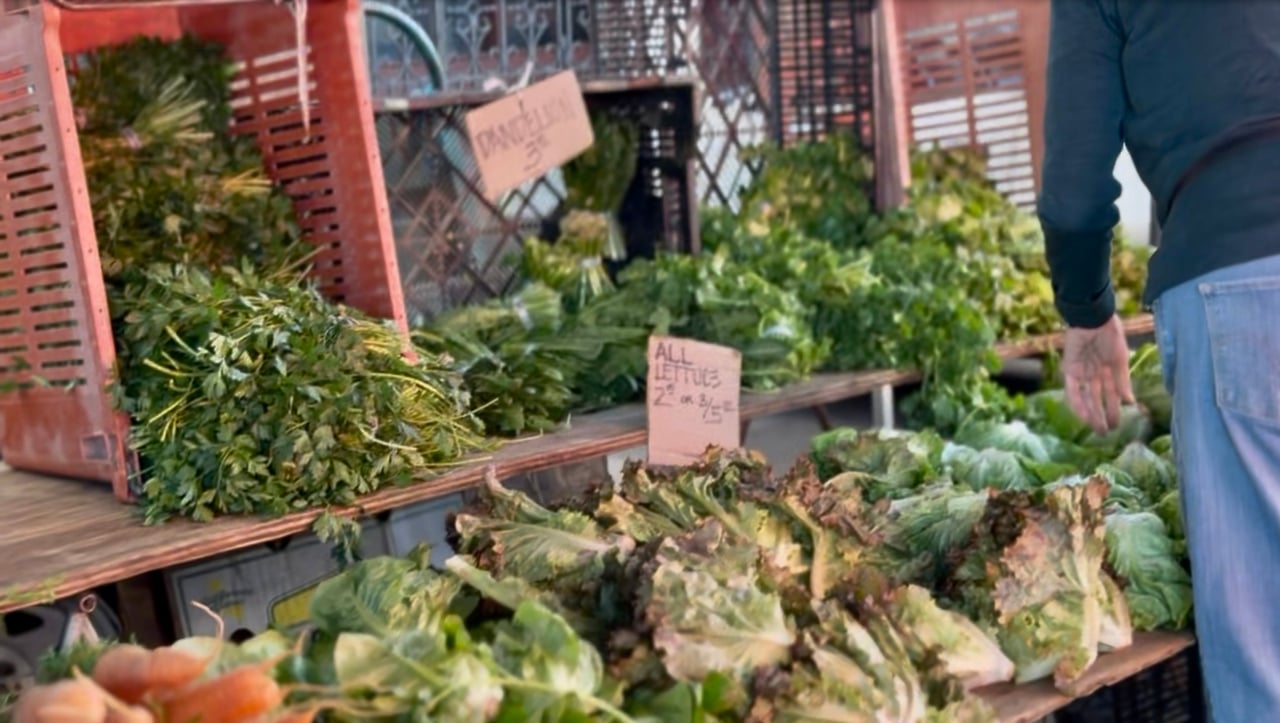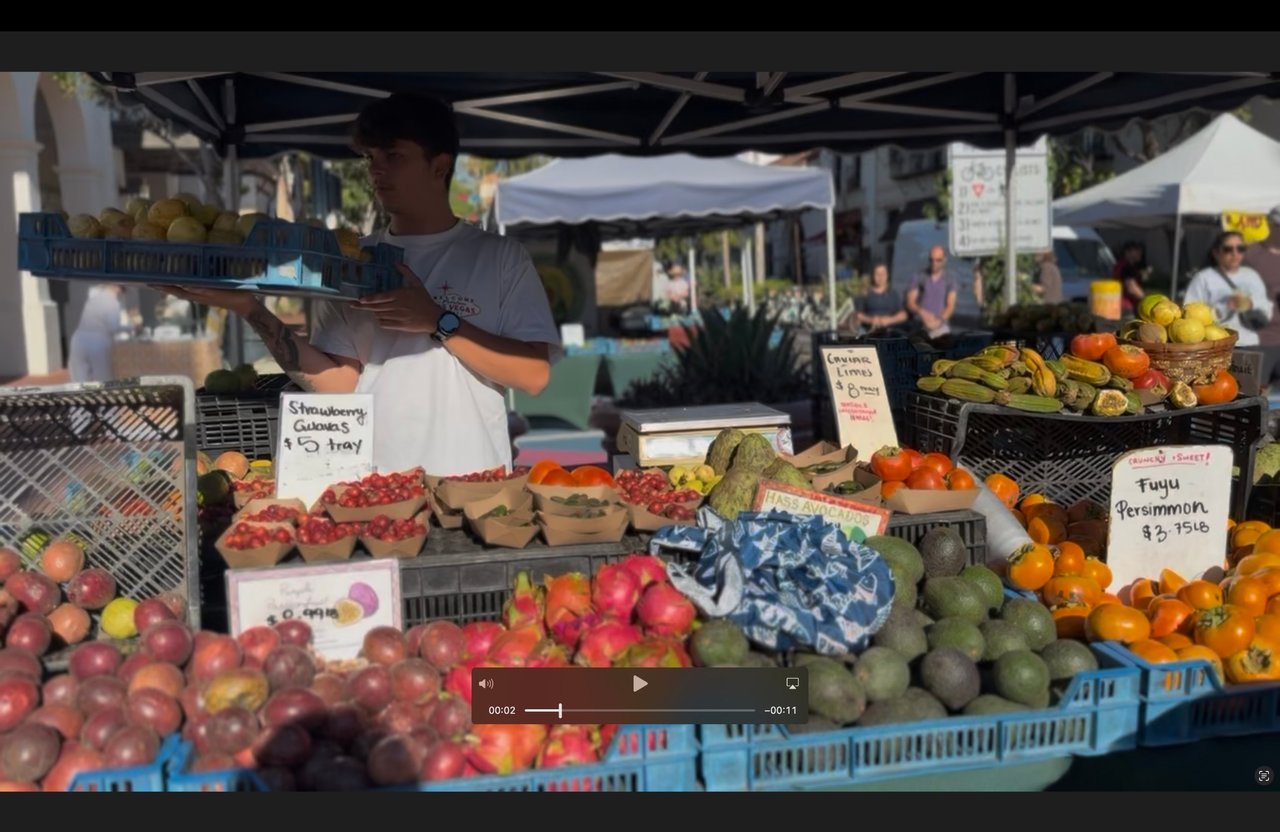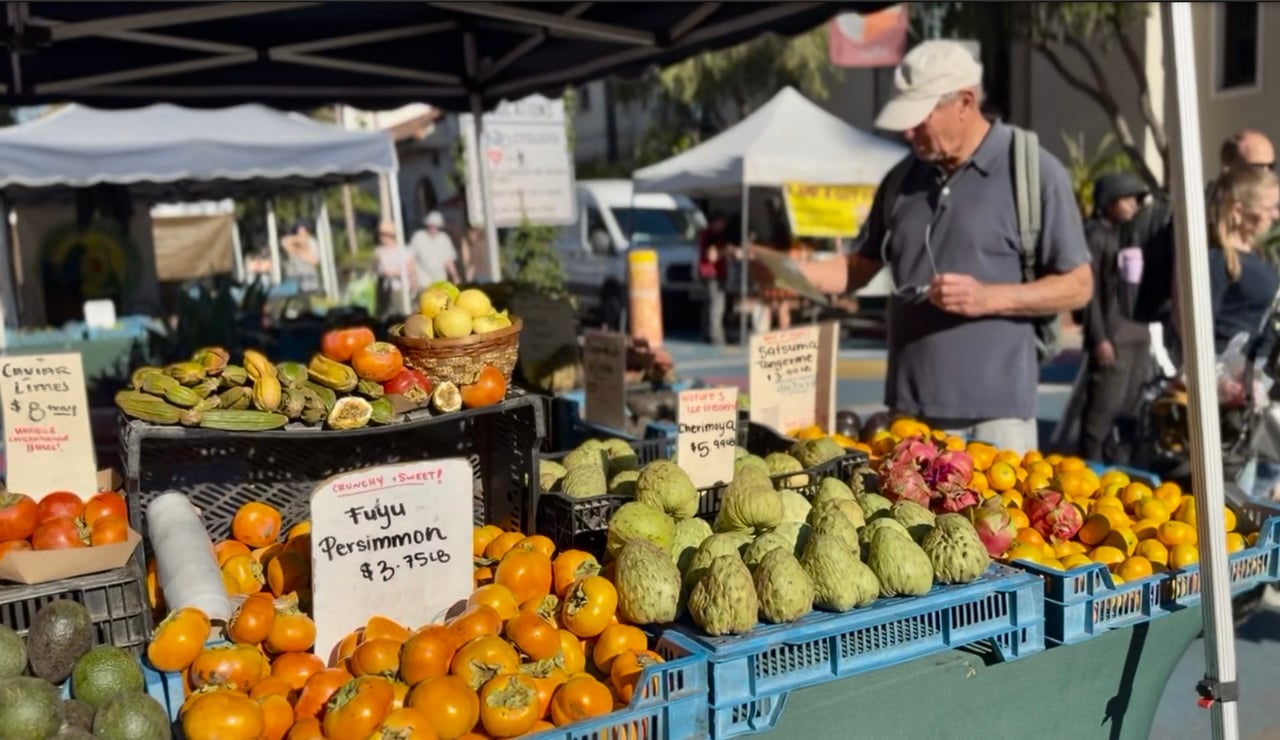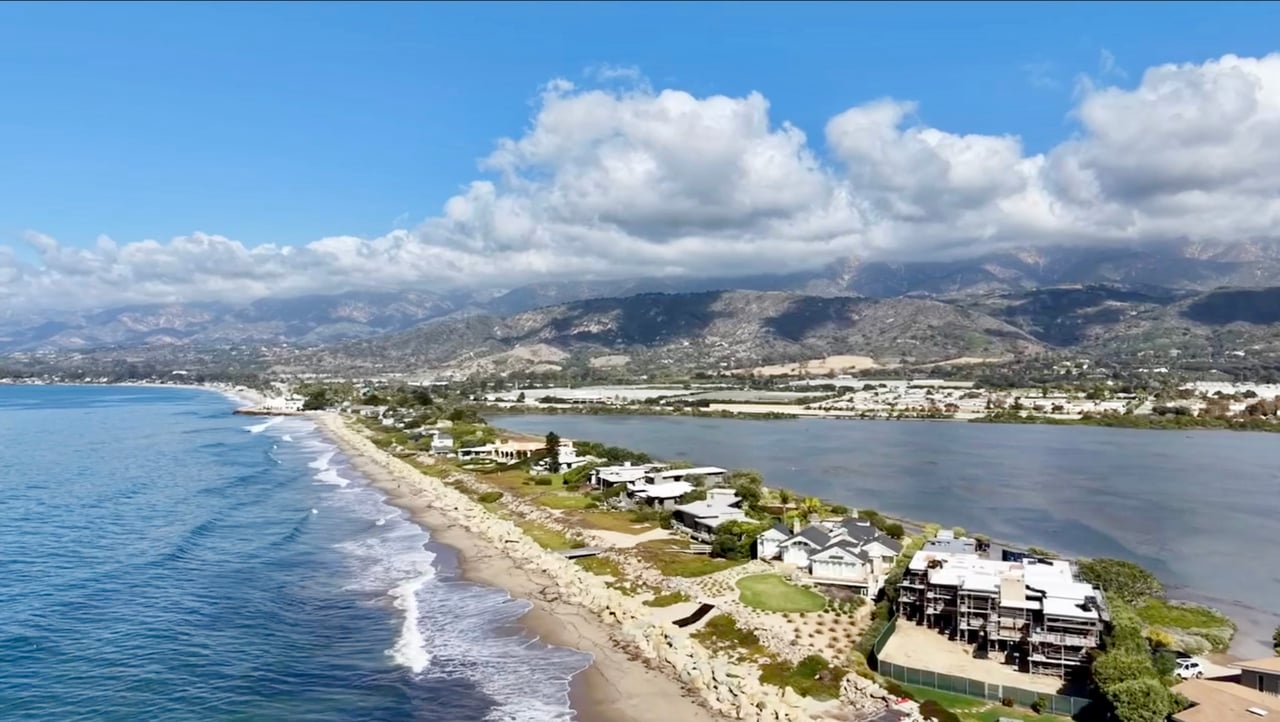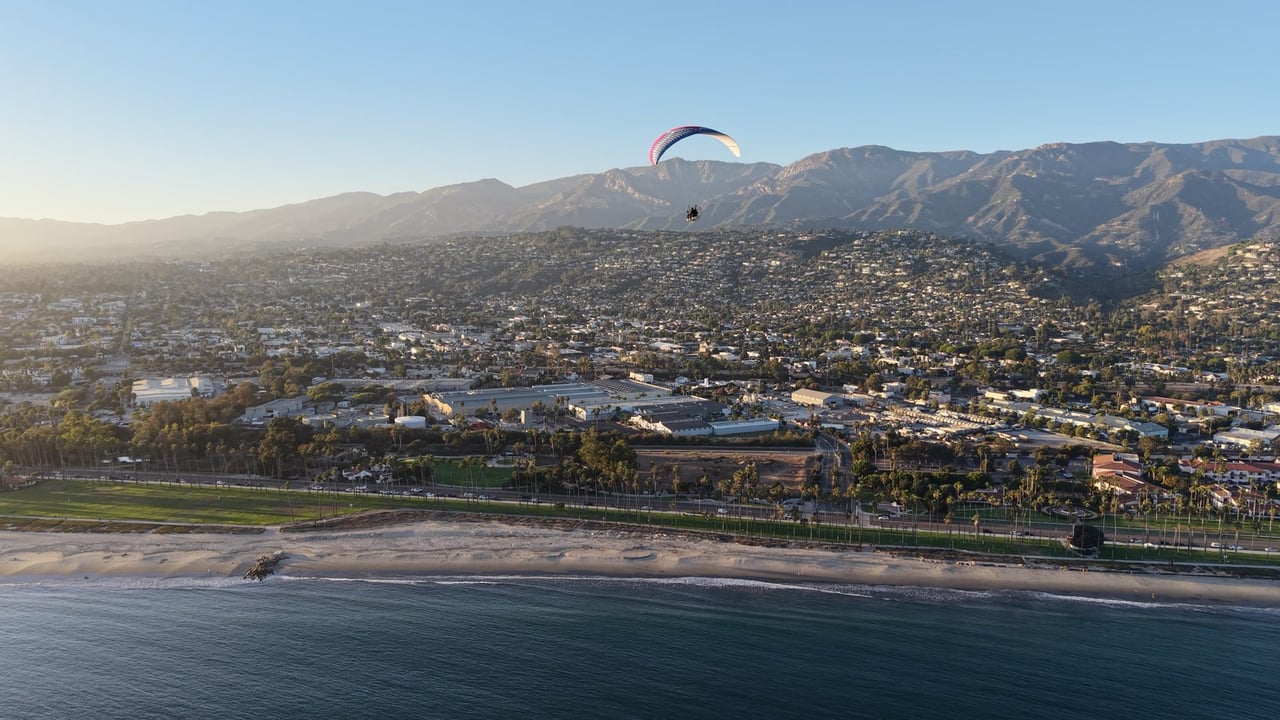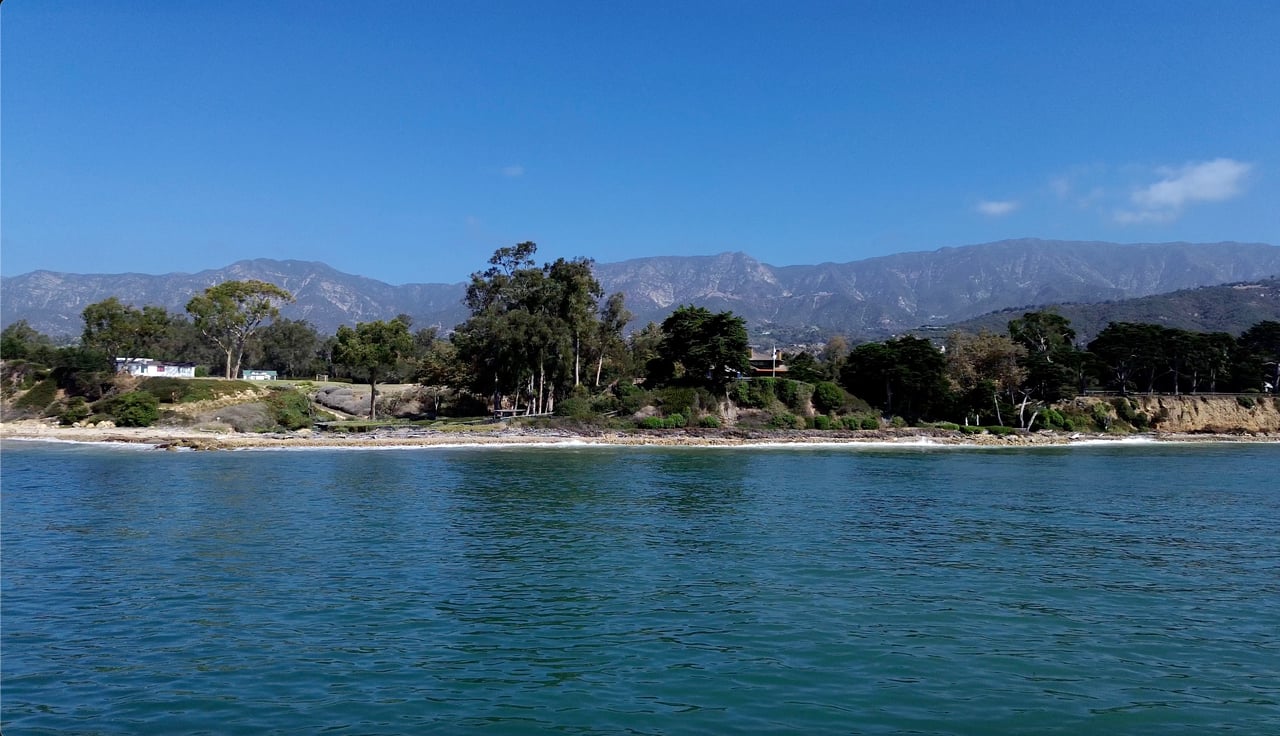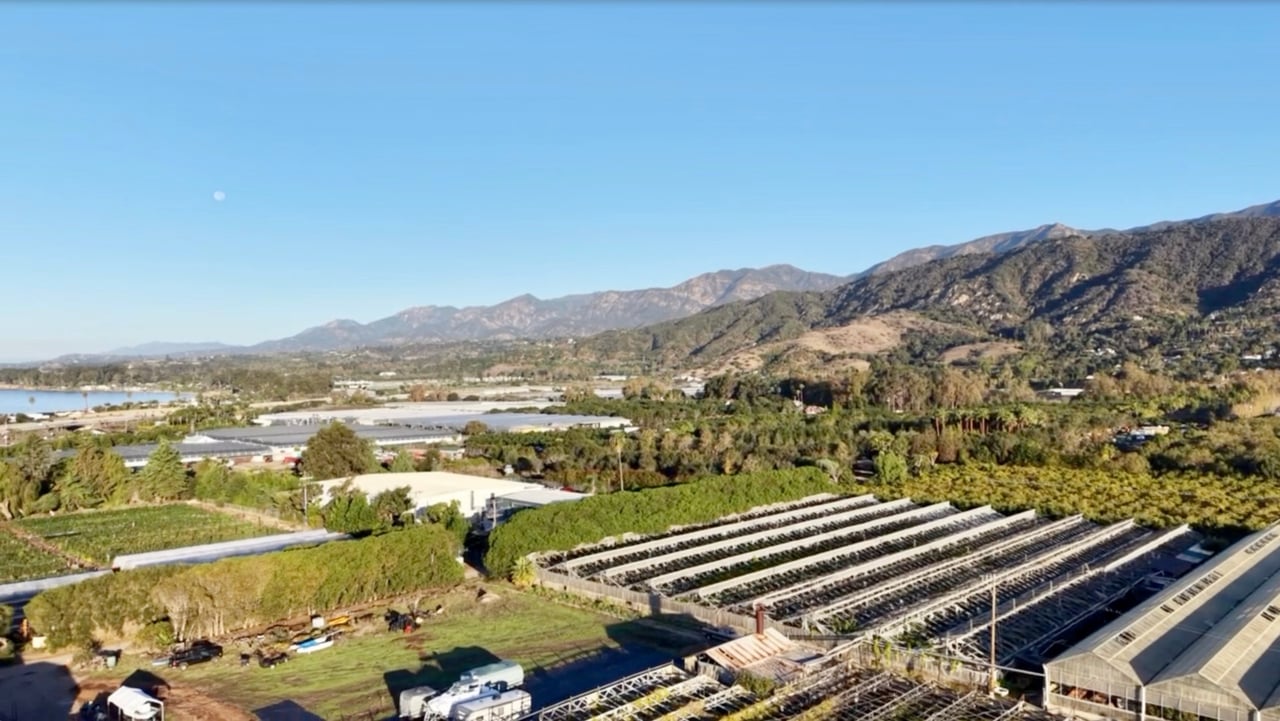
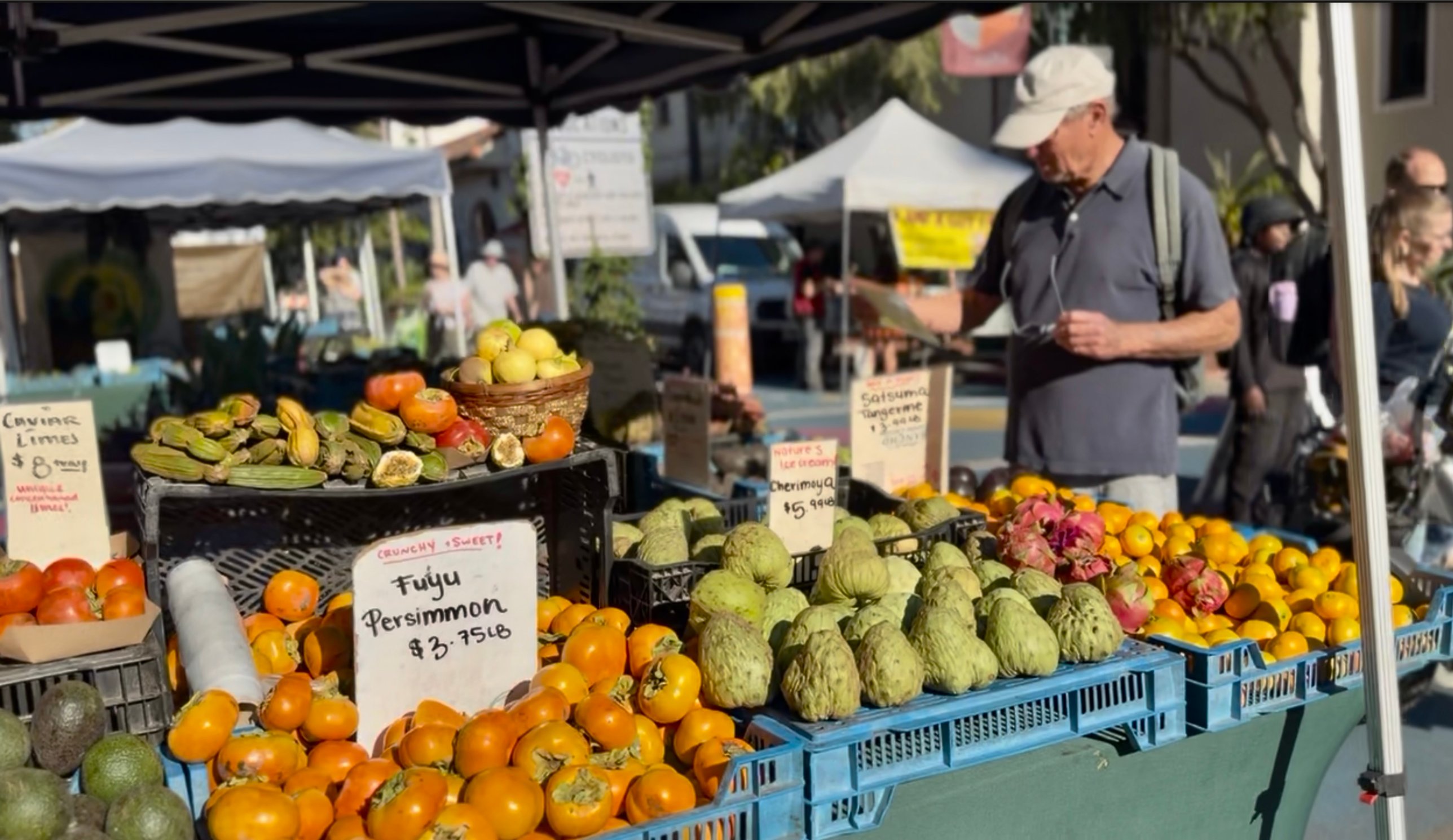
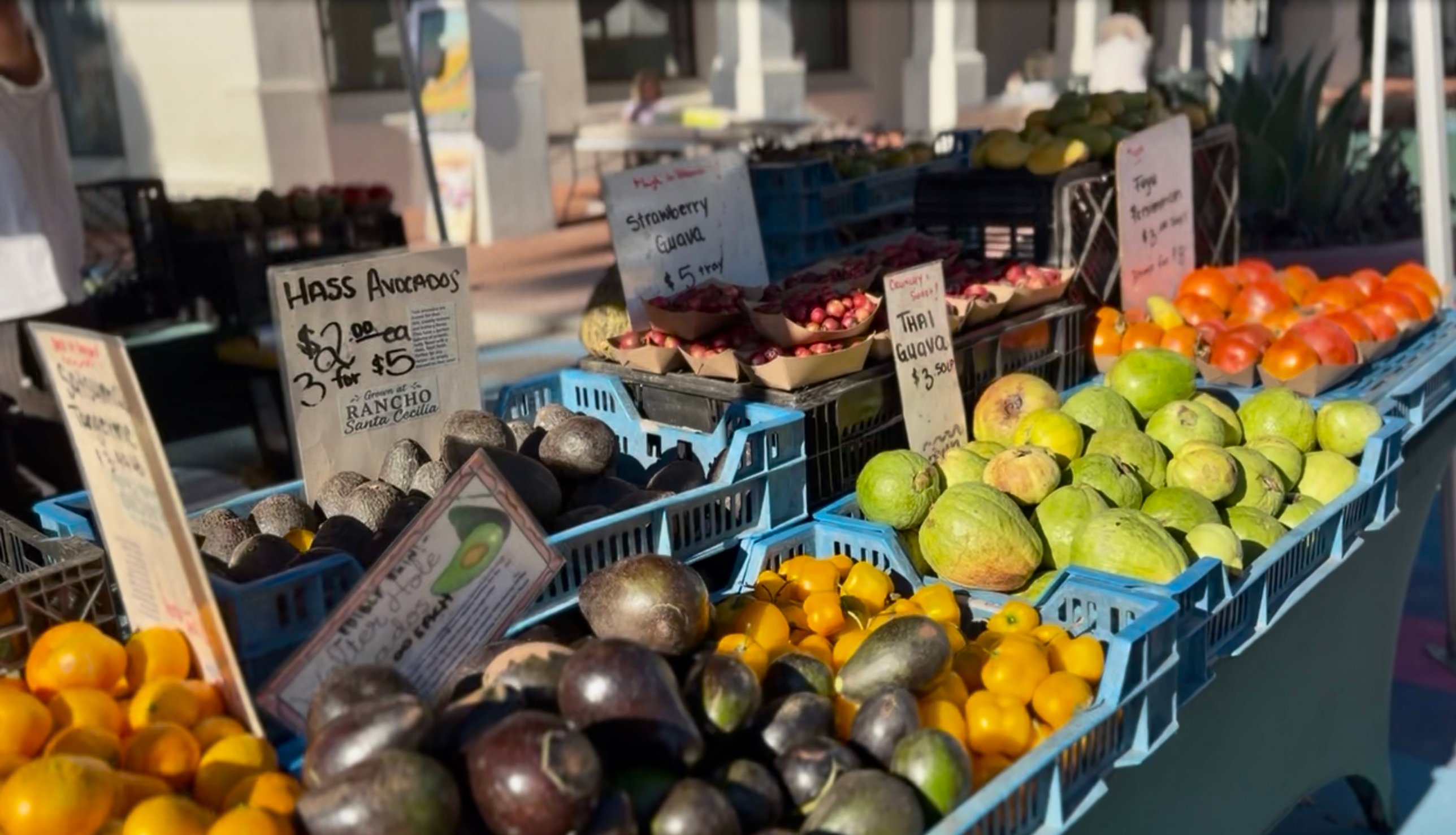
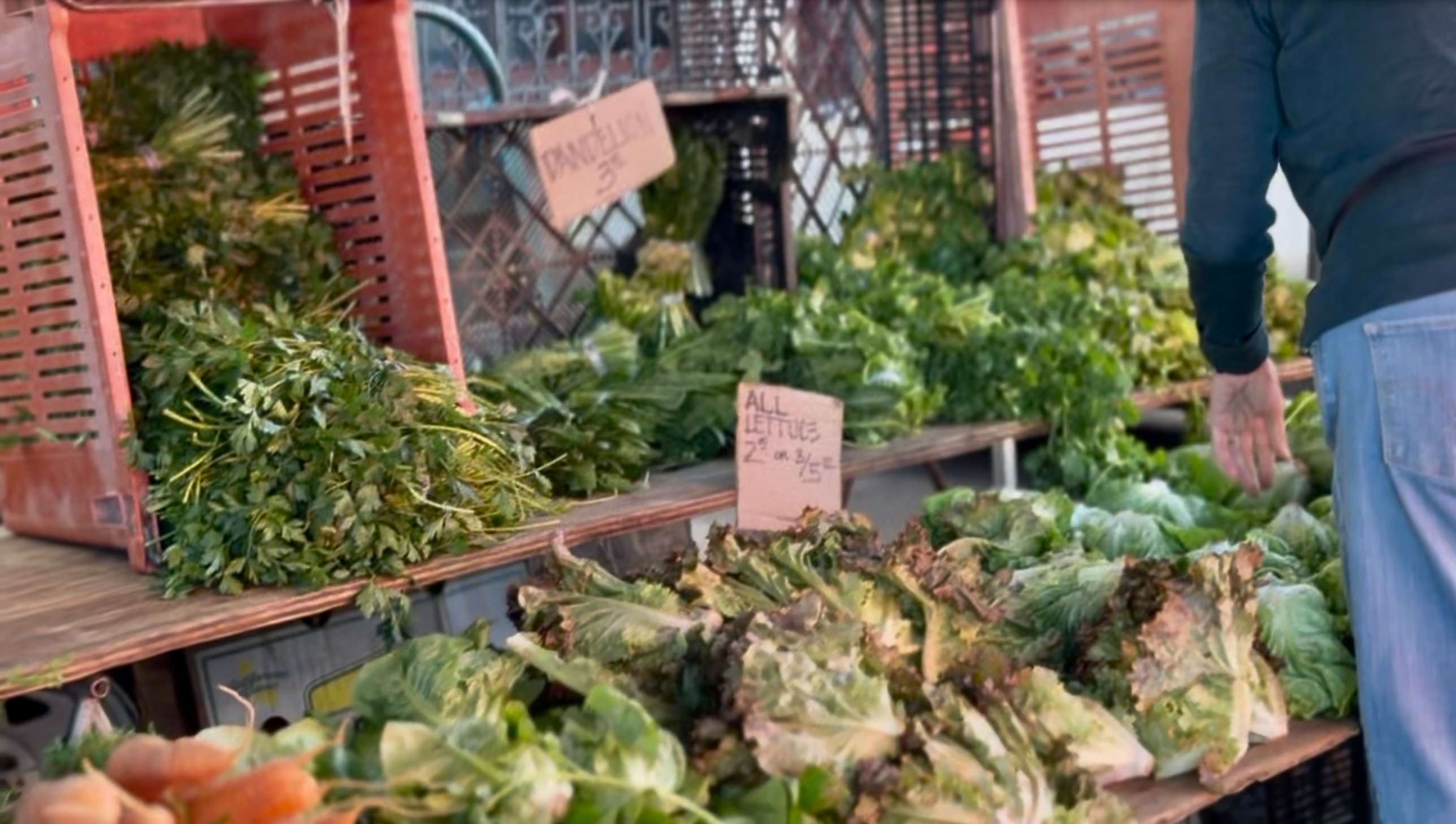
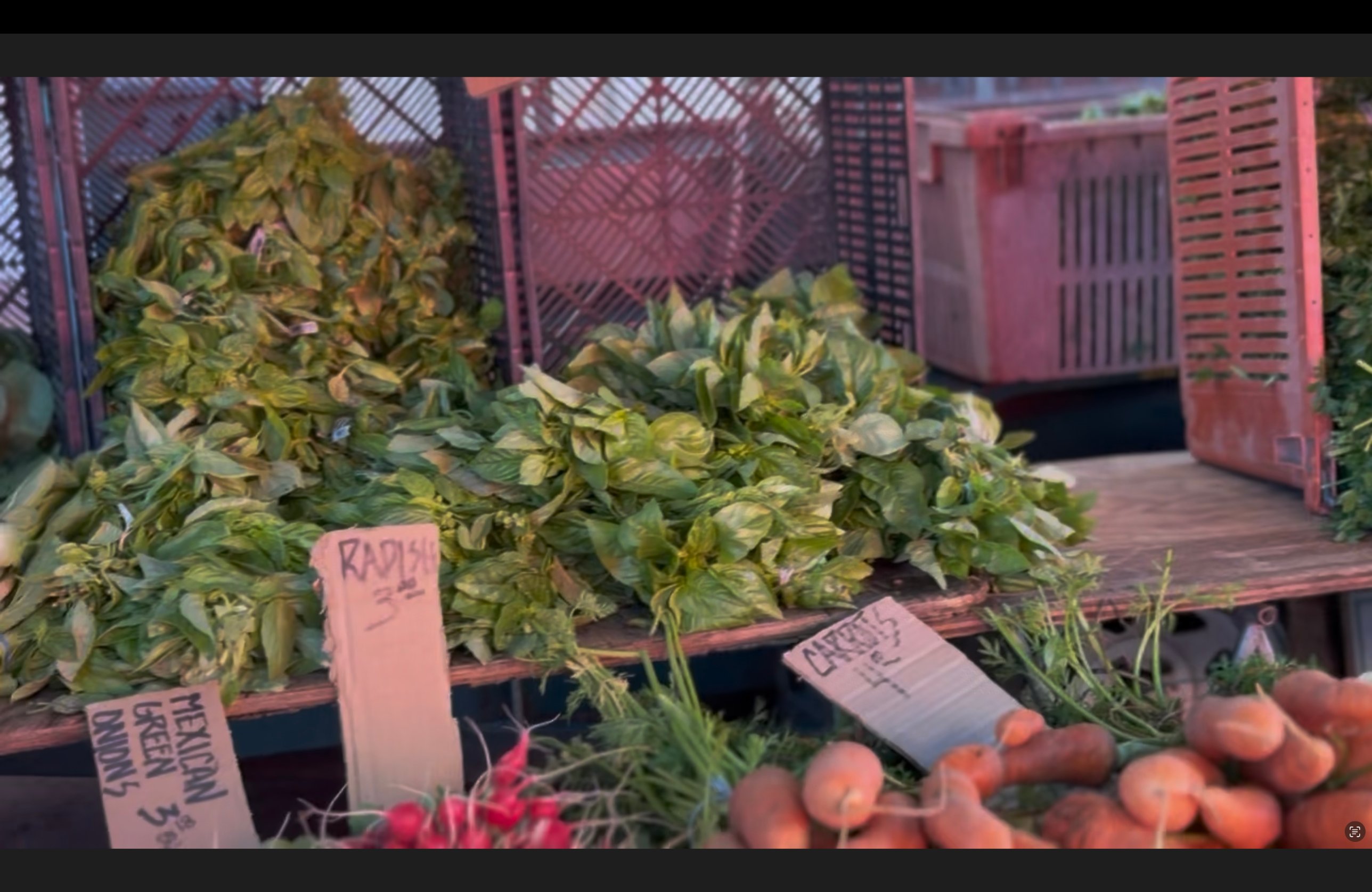
Have you noticed how much variety there is at the Santa Barbara farmers market? Fuyu persimmons and cherimoyas next to Hass avocados, caviar limes, guavas and armfuls of fresh greens, often at the same stand. There’s a reason so much grows here.
Santa Barbara sits in the California Floristic Province, one of only 36 biodiversity hotspots in the world. Together, these hotspots cover less than 2.5% of the Earth’s land. That rich mix of plants, soils and microclimates, from the coast to the mountains and valleys, is the foundation of the area’s farms, vineyards and food culture.
Today, sustainable agriculture is part of everyday life on the Central Coast, from a regenerative ranch in western Santa Barbara County and an organic, regenerative farm in the hills above Montecito and Carpinteria to biodynamic vineyards in the Santa Ynez Valley, a working harbor and a farmers market run by local growers. If you live in Santa Barbara or are thinking about moving here, here’s a guide to who’s doing it and where to find it.
Last updated: November 3, 2026
Key takeaways
- Biodiversity hotspot: Santa Barbara sits in the California Floristic Province, one of only 36 biodiversity hotspots in the world.
- Regenerative farming: White Buffalo Land Trust bought the 1,000-acre Jalama Canyon Ranch in 2021 to create a regenerative agriculture research and education center.
- Organic farm: Wanderment Farms, on 56 acres in Toro Canyon between Montecito and Carpinteria, is certified organic for both crops and livestock.
- Sustainable wine: Santa Barbara County is home to organic, biodynamic and SIP Certified vineyards in the Santa Ynez Valley and the Sta. Rita Hills.
- Ocean harvest: The Santa Barbara Channel’s main fisheries include market squid, spiny lobster and red sea urchin.
- Farmers market: The nonprofit Santa Barbara Certified Farmers Market Association, founded in 1983, runs six markets a week with about 120 grower members.
Why so much grows here
The Santa Barbara Botanic Garden displays 11 distinct California ecosystems. The region’s Mediterranean climate, with mild, wet winters and dry summers, along with its coastline, mountains, valleys and islands, supports a wide range of native plants and a long growing season.
Agriculture is a major part of the local economy. Santa Barbara County’s 2025 crop report put the total gross value of agricultural production at about $2.24 billion. Strawberries were the top crop, followed by nursery products and broccoli. Wine grapes ranked sixth.
What that means for farm-to-table living
Because the land changes so much over a short distance, very different foods grow within an hour of each other: strawberries and broccoli in the county’s coastal valleys, Pinot Noir and Chardonnay in the cool Sta. Rita Hills, Pixie tangerines in Ojai, and spot prawns, rock crab and sea urchin from the Santa Barbara Channel. The long growing season means local growers have something to bring to market most of the year. That is why Santa Barbara can support certified farmers markets six days a week, and why so much of what you find at the market, the harbor and local restaurants was grown or caught nearby.
Regenerative farming: Jalama Canyon Ranch
In 2021, the nonprofit White Buffalo Land Trust bought the 1,000-acre Jalama Canyon Ranch in western Santa Barbara County for $6 million. The ranch serves as a research and education center for regenerative agriculture, with workshops, training, apprenticeships and research partnerships with universities. Regenerative agriculture focuses on rebuilding topsoil, capturing carbon, increasing biodiversity and improving the water cycle.
Montecito and Carpinteria: Wanderment Farms
Wanderment Farms is a 56-acre organic and regenerative farm in Toro Canyon, in the hills between Montecito and Carpinteria, with views of the Santa Barbara Channel. About a decade ago, the land was a struggling vineyard called Paredon. Today the farm is certified organic by CCOF for both crops and livestock, and it brings crops, livestock and native plants together on one property. Wanderment Farms offers public walking tours, so check its schedule before you go.
Santa Ynez Valley and the Sta. Rita Hills: sustainable wine country
The Santa Ynez Valley, about 45 minutes from Santa Barbara, includes Solvang, Los Olivos, Santa Ynez and Buellton, along with wine regions such as Ballard Canyon and Happy Canyon. The Sta. Rita Hills, near Lompoc, is known for Pinot Noir and Chardonnay. Many vineyards here farm organically, biodynamically or under the SIP (Sustainability in Practice) certification. A few examples reported by the Santa Barbara Independent:
Vineyard | Area | Practices |
Ampelos Vineyard (now Groundstar Vineyard) | Sta. Rita Hills | The first vineyard in the country certified organic, biodynamic and sustainable |
Beckmen Vineyards | Los Olivos District and Ballard Canyon | Biodynamic farming since the mid-1990s, the first in Santa Barbara County |
Âmevive (Ibarra-Young Vineyard) | Santa Ynez Valley | Organic for about three decades, with regenerative techniques added |
Donnachadh Vineyard | Sta. Rita Hills | Planted organic in 2013; permanent cover crop, working toward no-till |
Grimm’s Bluff | Happy Canyon | Planted under biodynamic principles in 2012 |
Lompoc
Lompoc sits at the western end of the Santa Ynez Valley, closer to the ocean and cooler than the eastern valley. Along with the Sta. Rita Hills vineyards, Lompoc has a long history of flower and flower seed farming.
Ojai: Pixie tangerines
Ojai is just over the county line in Ventura County, about 45 minutes from Santa Barbara. It’s known for the Pixie tangerine, a variety developed at UC Riverside. Ojai growers formed the Ojai Pixie Growers Association and now ship up to 2 million pounds a year. Pixies are typically in season in the spring.
The ocean harvest
The Santa Barbara Channel runs from Point Conception to Point Dume and includes the four northern Channel Islands. According to California Sea Grant, fishermen in the region landed more than 111 million pounds of seafood worth about $50.5 million in 2013. The most active fisheries are market squid, spiny lobster and red sea urchin, along with rock crab, spot prawns and sea cucumber.
Santa Barbara’s harbor is home mostly to smaller dive, trap and trawl boats, while the larger squid boats work out of Ventura and Port Hueneme. There’s also shellfish farming offshore: Santa Barbara Mariculture grows shellfish in the channel.
On Saturday mornings, the Fishermen’s Market at the Santa Barbara Harbor sells seafood directly from the people who caught it, including spot prawns, rock crab and sea urchin, depending on the season.
Our farmers market
The Santa Barbara Certified Farmers Market Association is a nonprofit founded in 1983. It runs six markets a week and has about 120 grower members. At a certified farmers market, growers sell what they grow themselves. The market’s beginnings were very local: one of its founders, Bob “BD” Dautch, started by selling surplus produce he grew in Isla Vista, bicycling it to Santa Barbara with a cart. In 2021, the Santa Barbara Permaculture Network gave the market its Local Food Hero Award, crediting its growers with keeping the community supplied during COVID-19.
Day | Market | Location | Hours |
Tuesday | Old Town Santa Barbara | 600–800 blocks of State Street | 3–6:30 p.m. |
Wednesday | Solvang | 400 block of 1st Street | 2:30–6 p.m. |
Thursday | Carpinteria | 800 block of Linden Avenue | 2:30–6 p.m. |
Friday | Montecito | 1100–1200 blocks of Coast Village Road | 8–11:15 a.m. |
Saturday | Downtown Santa Barbara | 900–1000 blocks of State Street and Carrillo Street | 8 a.m.–1 p.m. |
Sunday | Goleta | Camino Real Marketplace, 7004 Marketplace Dr. | 10 a.m.–2 p.m. |
Hours and locations can change, so check the Santa Barbara Certified Farmers Market Association before you go.
Santa Barbara and Montecito homes with room to grow
The same climate that supports our farms works in a backyard, too. Many Santa Barbara and Montecito homes have room for citrus and avocado trees, a vegetable garden, raised beds or a rose garden, and with a long growing season, homeowners can harvest something most of the year. For rose garden ideas, the A.C. Postel Memorial Rose Garden at Mission Historical Park, across from the Old Mission, is a good place to start.
Homes with land, orchards and small farms
If you want more space, the area also has properties with room for an orchard, horses or a small farm, from Montecito estates with mature fruit trees to acreage in the Carpinteria Valley, the Goleta foothills and the Santa Ynez Valley. What you can grow, raise or sell on a property depends on its zoning, water and any agricultural rules, so those are worth checking before you buy. You can search current Santa Barbara real estate listings, including homes in Montecito, Summerland, Carpinteria and Goleta, or learn more about living in Montecito.
Zoning, water and agricultural rules change often and vary by city and county. Check with the City of Santa Barbara, the County of Santa Barbara or a qualified professional before relying on this information.
Frequently asked questions
What is the lifestyle like in Santa Barbara?
Santa Barbara has a Mediterranean climate, a coastline, mountains and valleys within a short drive, and a strong local food culture, with certified farmers markets six days a week, a Saturday Fishermen’s Market at the harbor, and farms and wineries in the Santa Ynez Valley, Lompoc and nearby Ojai.
Is there regenerative farming in Santa Barbara County?
Yes. White Buffalo Land Trust runs a regenerative agriculture research and education center at the 1,000-acre Jalama Canyon Ranch, and Wanderment Farms, in Toro Canyon between Montecito and Carpinteria, is a certified organic, regenerative farm that offers public tours.
Are there organic or biodynamic wineries near Santa Barbara?
Yes. Vineyards in the Santa Ynez Valley and the Sta. Rita Hills farm organically, biodynamically or under SIP Certified sustainability standards.
When is the Santa Barbara farmers market?
The largest market is downtown on Saturdays from 8 a.m. to 1 p.m. There’s also a Tuesday afternoon market on State Street, plus markets in Solvang, Carpinteria, Montecito and Goleta.
Where can I buy fresh local seafood in Santa Barbara?
The Saturday Fishermen’s Market at the Santa Barbara Harbor sells fresh catch directly from local fishermen.
Is Ojai in Santa Barbara County?
No. Ojai is in Ventura County, about 45 minutes from Santa Barbara.
Can I buy a home with land or a small farm near Santa Barbara?
Yes. There are properties with room for orchards, horses or small farms in Montecito, the Carpinteria Valley, the Goleta foothills and the Santa Ynez Valley. Check a property’s zoning, water and agricultural rules before you buy.
Thinking about moving to Santa Barbara?
If you’re thinking about a move to Santa Barbara, Montecito, Goleta, Carpinteria or the Santa Ynez Valley, call me at 805.637.4400. For the latest sales every week, read The Weekly Read, and if you’re buying, start with my free Savvy Buyer’s Toolkit.
Sources
- Land Trust for Santa Barbara County field note: a hotspot for biodiversity
- Santa Barbara Botanic Garden: 11 California ecosystems
- KEYT: Santa Barbara County 2025 crop report
- KCBX: White Buffalo Land Trust acquires Jalama Canyon Ranch
- Santa Barbara Independent: Come to Wanderment Farms
- CCOF Organic Directory: Wanderment Farms
- Santa Barbara Independent: Sipping sustainably in Santa Barbara County
- KQED: Ojai’s Pixie tangerine
- California Sea Grant: Santa Barbara Channel commercial fisheries
- Noozhawk: Santa Barbara Farmers Market named 2021 Local Food Hero
- Visit Santa Barbara: Farmers Markets and Farm Stands
Market hours, farm operations and seasons change. Please check with each market, farm or winery before you go.
Kathy Henry is a Broker Associate with Sotheby’s International Realty in Montecito and has worked in Santa Barbara real estate for 22 years.
Kathy Henry · Broker Associate
Sotheby's International Realty · Montecito
805.637.4400 · kathyhenry.net
CA DRE #01403548